Let me guess the three words you hear again and again:
These words aren’t wrong. They’re practical. Literal. Efficient. But here’s the thing: they’re usually said too late.
By the time most lighting designers enter the room:
Lighting becomes a workaround. A patch job. An afterthought.
“Lighting is not a layer to be sprinkled on. It’s a structure to be built in.”
Why Does Lighting Matter So Early?
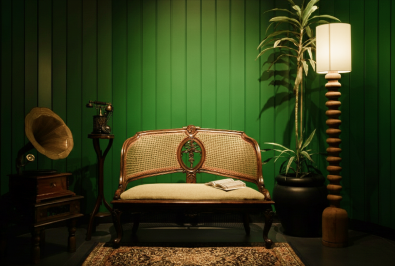
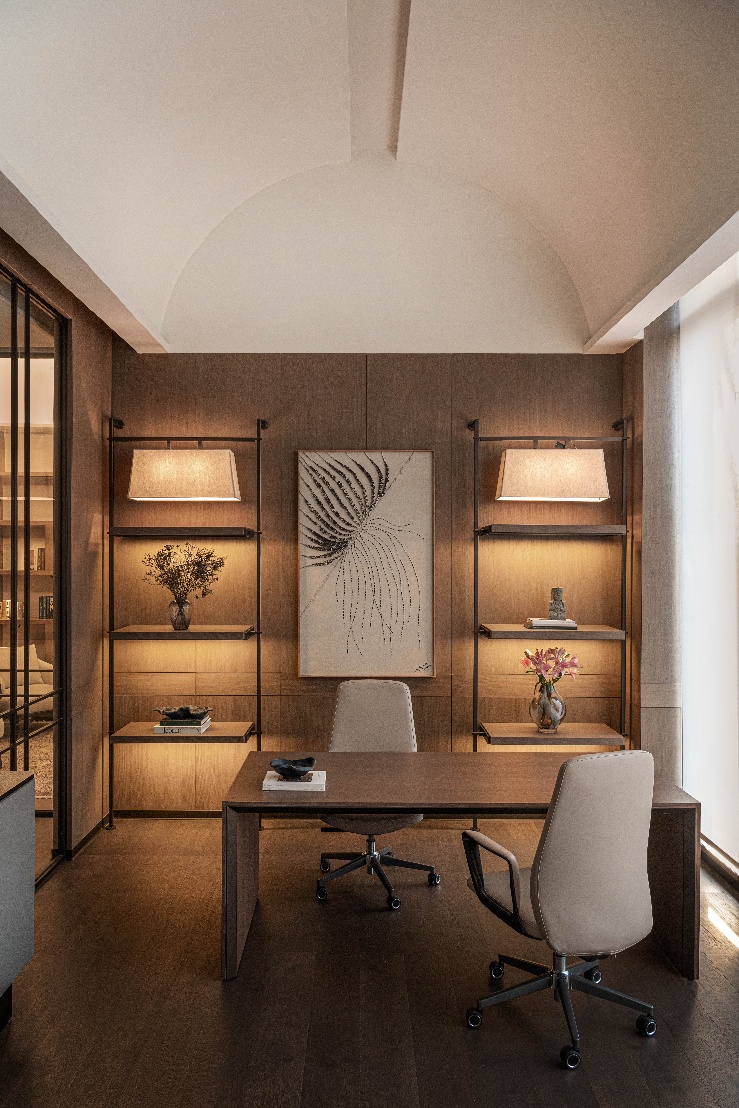
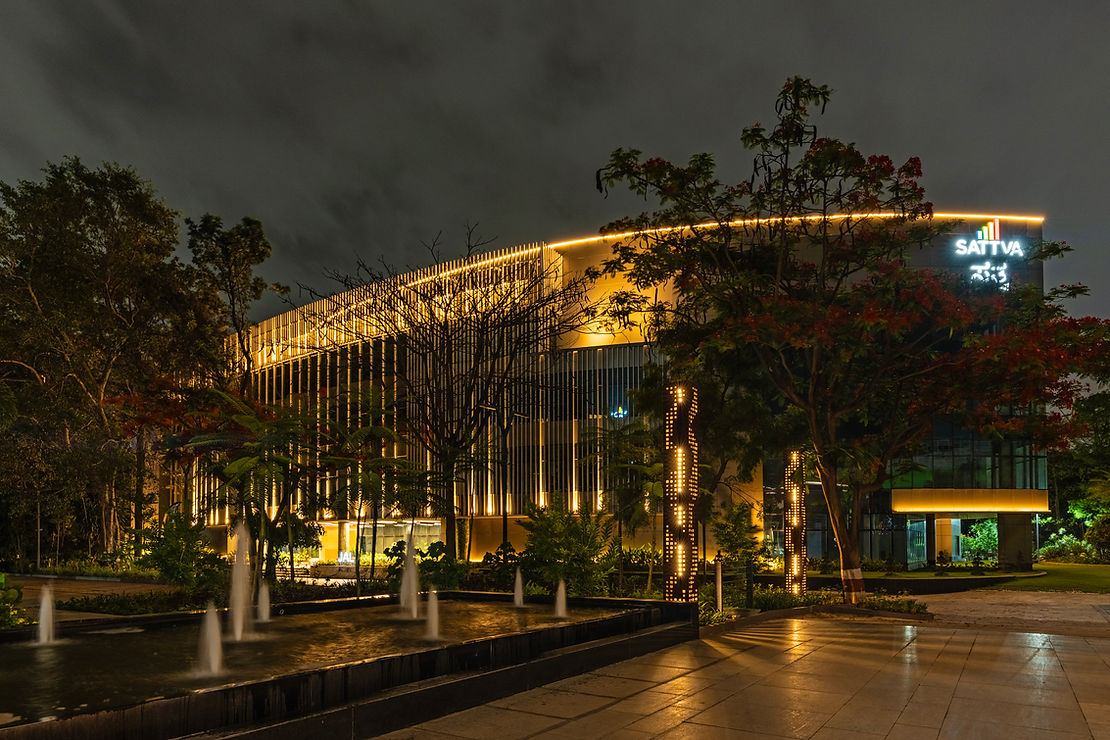
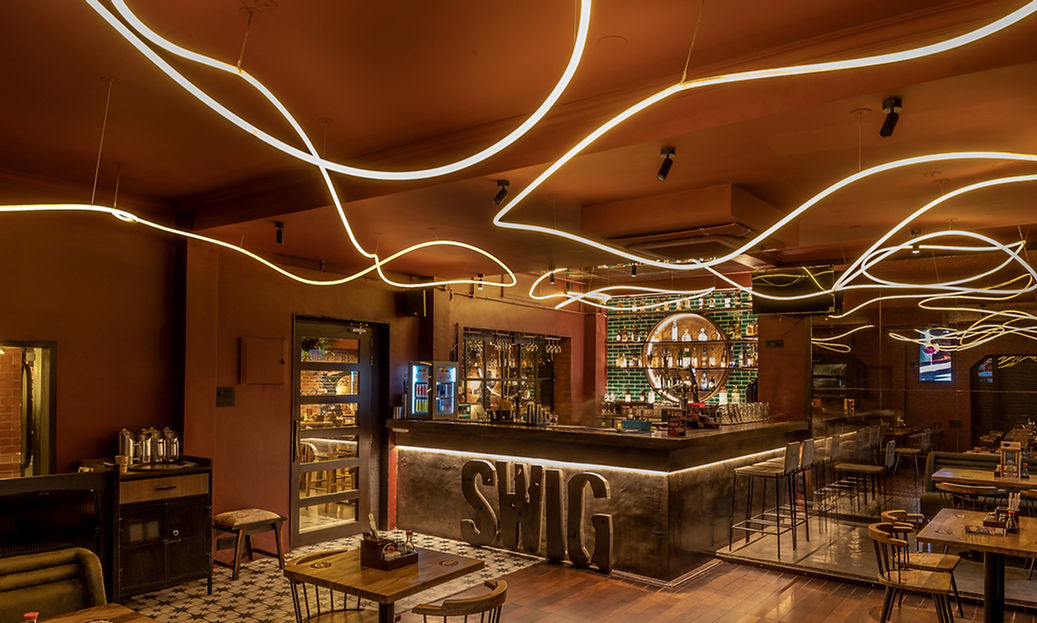
Because light doesn’t just illuminate a space — it animates it. It fills the gaps between the drawing and the emotion. It brings architecture into rhythm. It invites people to look longer, stay softer, feel something.
When lighting comes in late, we lose that subtlety. When it comes in early, we gain intention.
“The best lighting designer is the one who makes their difference before it needs to be made.”
If Not, This Happens:
And worst of all? The mood never quite arrives.
But when lighting joins the conversation early —We don’t just make things brighter. We make them mean more.